
Table of Contents
ToggleDental fillings are used to repair cavities and restore damaged teeth, and the main dental filling types include composite resin, amalgam, glass ionomer, ceramic, and gold. These options differ in appearance, durability, cost, and where they’re best used. Understanding these choices helps you make confident, informed decisions when visiting a Brampton dentist or discussing treatment at your next appointment.
Tooth decay is incredibly common, and fillings remain one of the simplest, most preventive treatments. In Brampton, patients can choose from modern, safe materials approved under Health Canada standards. Whether you’re fixing a small cavity or replacing an older filling, this guide will walk you through everything you need to know, clearly and comfortably.
Quick Answer Summary
- Composite resin: Tooth-colored, great aesthetics, ideal for front and visible areas.
- Amalgam: Durable, long-lasting, best for molars and heavy chewing.
- Glass ionomer: Fluoride-releasing, gentle, good for children and gumline cavities.
- Ceramic/porcelain: Excellent aesthetics + strong, often used for inlays/onlays.
- Gold: Strongest and longest-lasting, used less commonly today.
What Are Dental Fillings?
Dental fillings restore a tooth after decay has been removed. They help protect the tooth and prevent deeper infection.
Here’s why fillings are necessary:
- They restore the natural shape of the tooth.
- They prevent bacteria from re-entering the area.
- They stop cavities from growing deeper.
- They maintain your ability to chew normally.
- They help preserve your long-term oral health.
If you’re unsure whether you need one, visit our related article on Signs You May Need a Cavity Filling.
“A filling isn’t just a repair — it’s a way to stop decay from growing into a painful, costly problem later,” says Dr Nibal Kellow Pasat. “Catching cavities early keeps your natural tooth stronger for years to come.”
Why Understanding Filling Types Matters
Choosing the right dental filling isn’t just about aesthetics; it affects comfort, longevity, and cost.
Reasons patients should understand their options:
- Some fillings are better for front teeth vs molars.
- Certain materials handle biting pressure differently.
- Aesthetic preferences vary from patient to patient.
- Health Canada sets standards for material safety.
- Insurance plans may cover some materials more than others.
Common Dental Filling Types in Brampton
Composite Resin Fillings (White Fillings)
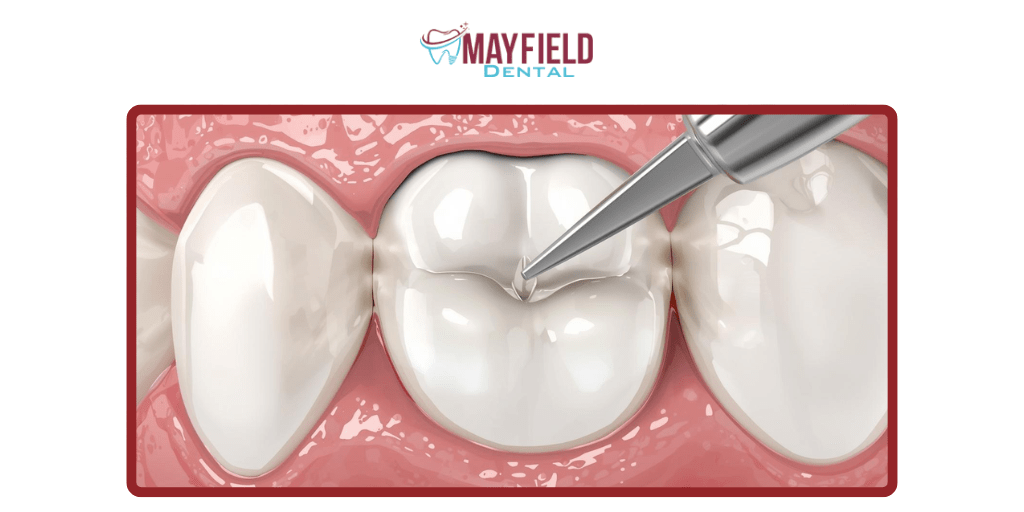
Composite fillings are among the most popular options in Brampton due to their natural appearance.
Key points:
- Tooth-colored and blend beautifully with natural enamel.
- Great for visible teeth or smaller cavities.
- Good durability (5–10 years with care).
- Bond directly to tooth structure for added support.
- Moderate cost range.
- Safe and widely used across Canada under Health Canada-approved guidelines.
Amalgam Fillings (Silver Fillings)
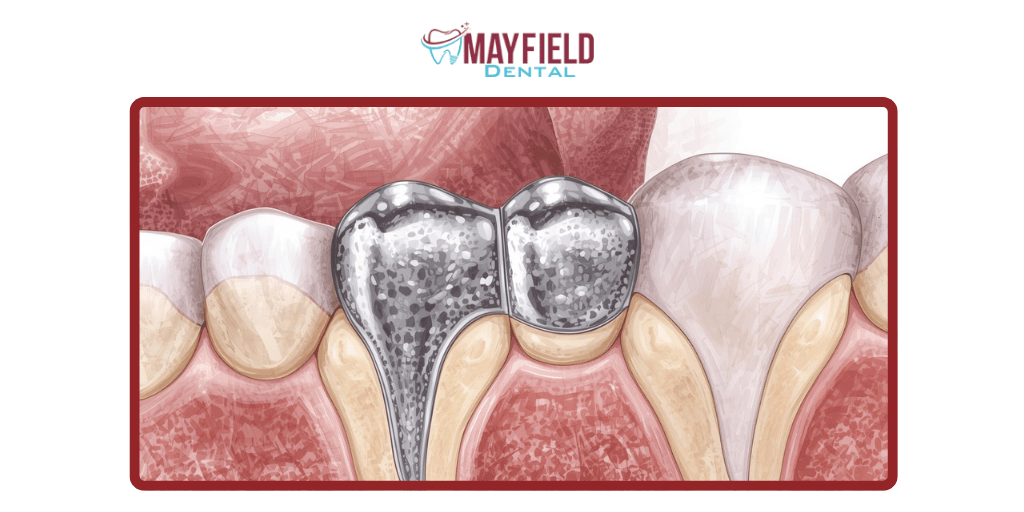
Amalgam fillings have been used safely for over 100 years and are regulated by Health Canada.
Key points:
- Extremely durable, excellent for molars.
- Lower cost compared to other materials.
- Appearance is silver/grey, so less aesthetic.
- It can withstand heavy chewing forces.
- Long lifespan (10–15 years or more).
- Health Canada confirms they are safe for most individuals, with specific considerations outlined on their website.
Glass Ionomer Fillings (GIC)
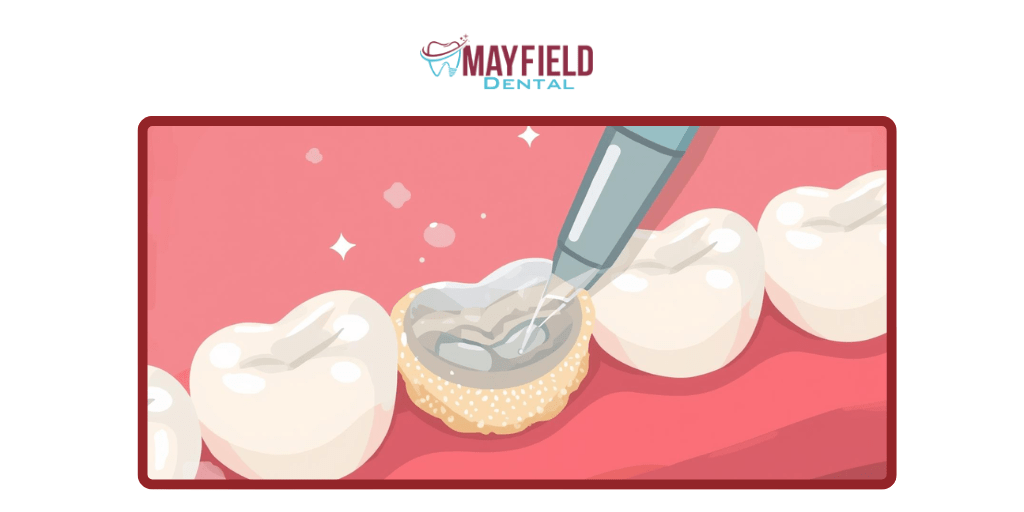
Glass ionomer is often chosen for children and areas that don’t handle much chewing pressure.
Key points:
- Releases fluoride, helping protect the tooth.
- Gentle on tooth roots and gumline.
- Weaker than composite; not ideal for biting surfaces.
- Often used in pediatric dentistry.
- Works well for cavities near gums or exposed root surfaces.
Ceramic / Porcelain Fillings (Inlays & Onlays)
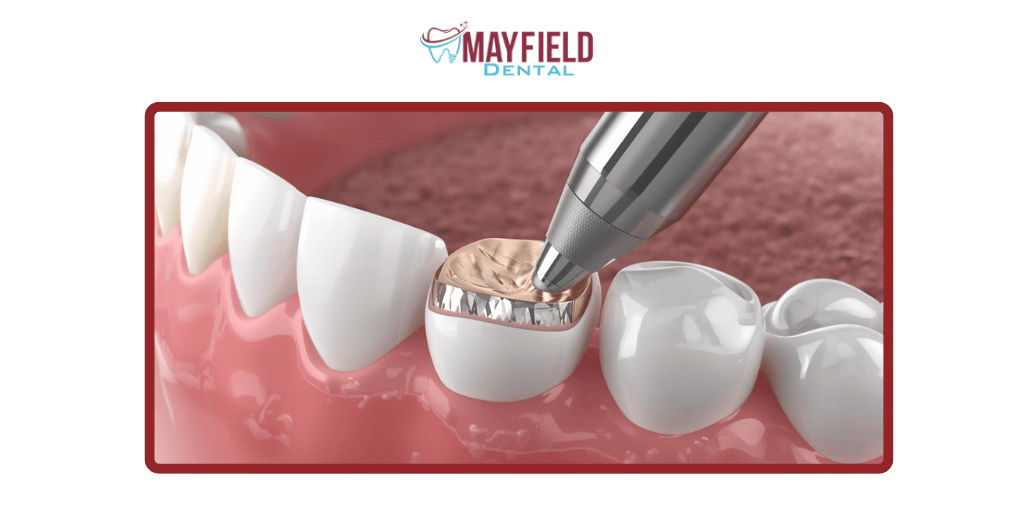
Ceramic fillings are ideal for patients seeking long-lasting, highly aesthetic restorations.
Key points:
- Very natural appearance, mimics enamel.
- Strong, durable, and stain-resistant.
- Often used for larger cavities or damaged chewing surfaces.
- Higher cost tier due to lab fabrication.
- Often recommended when cosmetic results matter most.
Gold Fillings (Less Common Today)
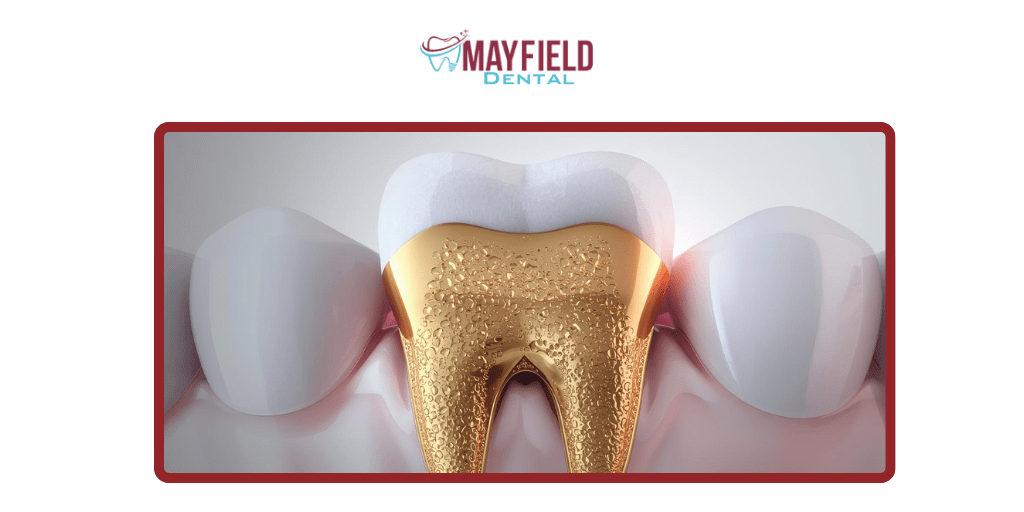
Gold fillings are premium restorations known for their exceptional durability.
Key points:
- Can last 15–20+ years with ease.
- Very strong and resistant to wear.
- Highest cost category.
- Metallic appearance may not appeal to everyone.
- Still preferred by some for unmatched longevity.
Modern filling materials allow us to restore your tooth gently, precisely, and comfortably,” explains Dr. Nibal Kellow Pasat. “Most patients are surprised by how quick and smooth the procedure feels.
How Dentists in Brampton Choose the Right Filling
A Brampton dentist will evaluate several factors before recommending a material.
Factors we consider:
- Location of the cavity (front vs back teeth).
- Size and depth of the decay.
- Bite strength and chewing patterns.
- Patient’s age (children may need gentler materials).
- Cosmetic goals.
- Sensitivity or allergies.
- Material safety standards (Health Canada approved).
What to Expect During a Filling Appointment

A filling appointment is comfortable, quick, and completed in a single visit.
What typically happens:
- A local anaesthetic numbs the tooth.
- The dentist removes decay gently.
- The tooth is cleaned and prepared.
- The chosen material is placed and shaped.
- You bite on paper to adjust your bite.
- You receive aftercare instructions.
Most patients experience little to no discomfort afterwards. Contact us today!
How Long Do Different Fillings Last?
Each filling type has a different lifespan depending on material, chewing forces, and hygiene habits.
General durability ranges:
- Composite: ~5–10 years
- Amalgam: ~10–15 years
- Ceramic: ~10–15+ years
- Gold: 15–20+ years
- Glass ionomer: 3–7 years
Fillings last longer with good brushing, flossing, and regular dental visits. Schedule your visit today!
How to Care for Your New Filling
Proper care ensures your filling stays strong and functional.
Care tips:
- Brush twice daily with fluoride toothpaste.
- Floss once per day.
- Avoid very hard foods for the first 24 hours.
- Expect slight sensitivity for a few days.
- Call a dentist if pain persists.
- Keep up with regular cleanings.
When to Replace a Filling
Over time, fillings naturally wear down.
Replace your filling if you notice:
- Cracks or chips
- Sensitivity to hot or cold
- Pain while chewing
- Darkening around the filling
- A feeling that the filling is loose
- Recurrent decay
Key Takeaways
- There are five main dental filling types used in Brampton: composite, amalgam, glass ionomer, ceramic, and gold.
- Each has different strengths, aesthetics, and durability.
- Composite is the most popular; amalgam is highly durable; ceramic and gold are premium options.
- Fillings are safe, routine, and guided by Health Canada standards.
- Choosing the right material depends on tooth location, cosmetic goals, and budget.
- Regular checkups keep your fillings in great condition.